
How a Salume is born
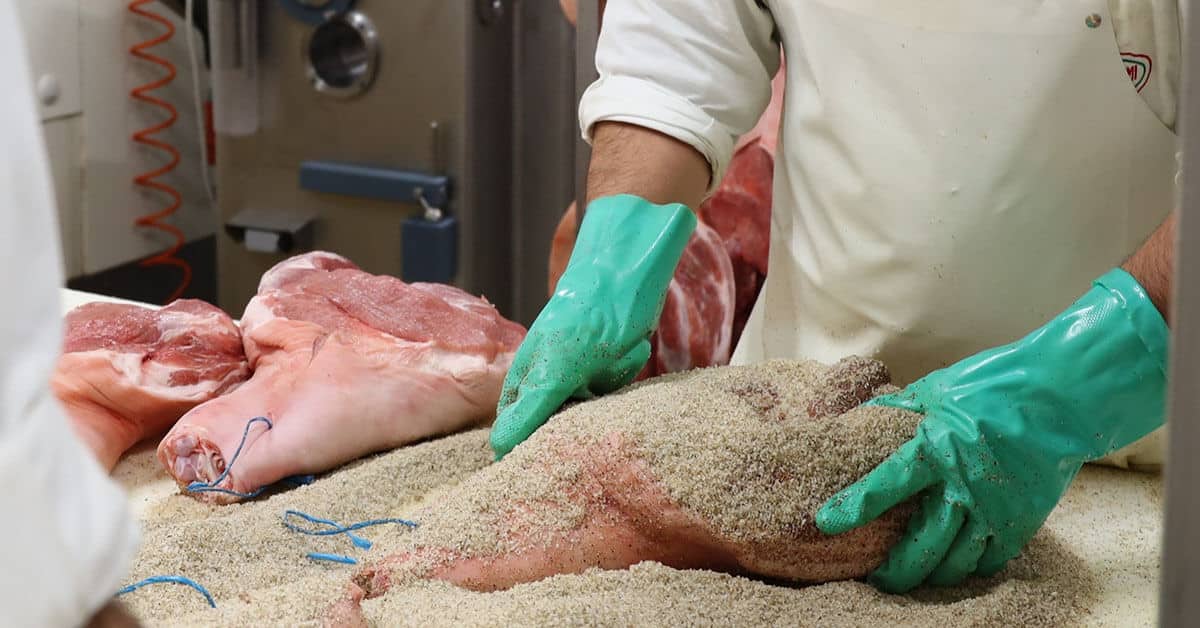
Here is how a salume is made: let's see together in detail the steps and stages that lead to making a Salume the Tuscan way.
BEHIND THE SCENES OF A CHARCUTERIE FACTORY
Knowing the path that leads to the birth of a sausage as we all buy it at the supermarket or grocery store is important to understand even more all the work that so many people do in the so-called "behind the scenes" and to better appreciate what we taste without taking anything for granted.
Before arriving at the final product, there are many processes that must be accomplished and completed in the best possible way in order to fully satisfy the consumer's palate.
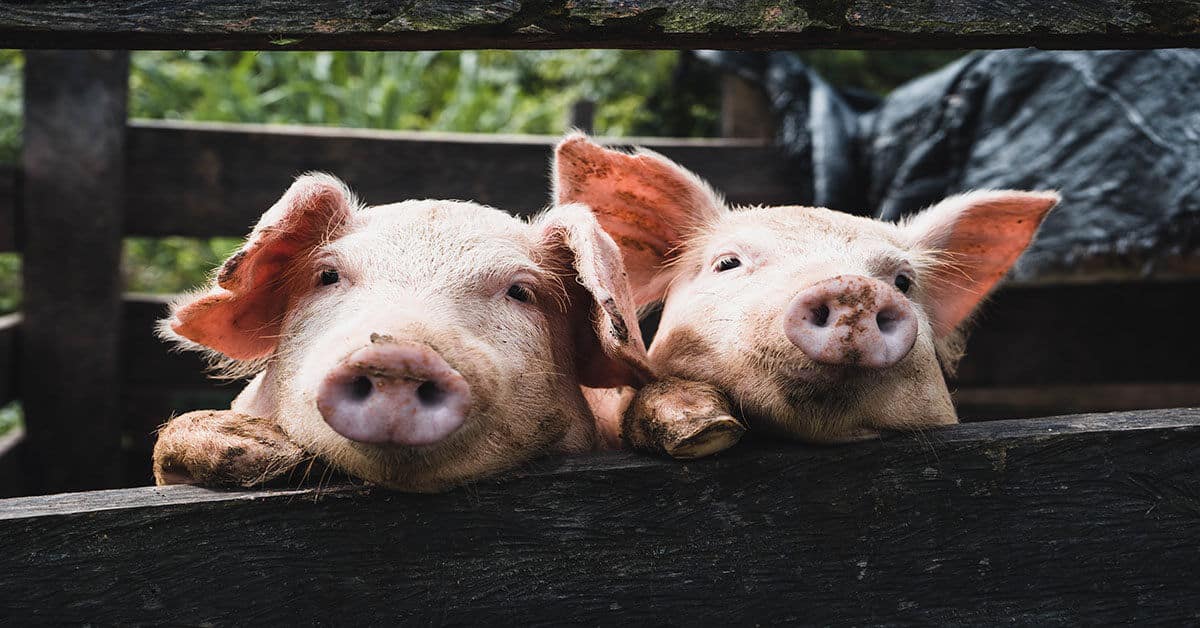
choice of pork
It all starts with the raw material: pork. These, from an early age, are raised in special spaces and, feeding mainly on bran, corn and flour, grow to weigh 160 kilograms at the adult age of ten months. It is from this point that the selection of animals considered most suitable and subsequent slaughter takes place.
It is then dissected into several cuts before arriving at the place where the next stage, namely processing, will begin.
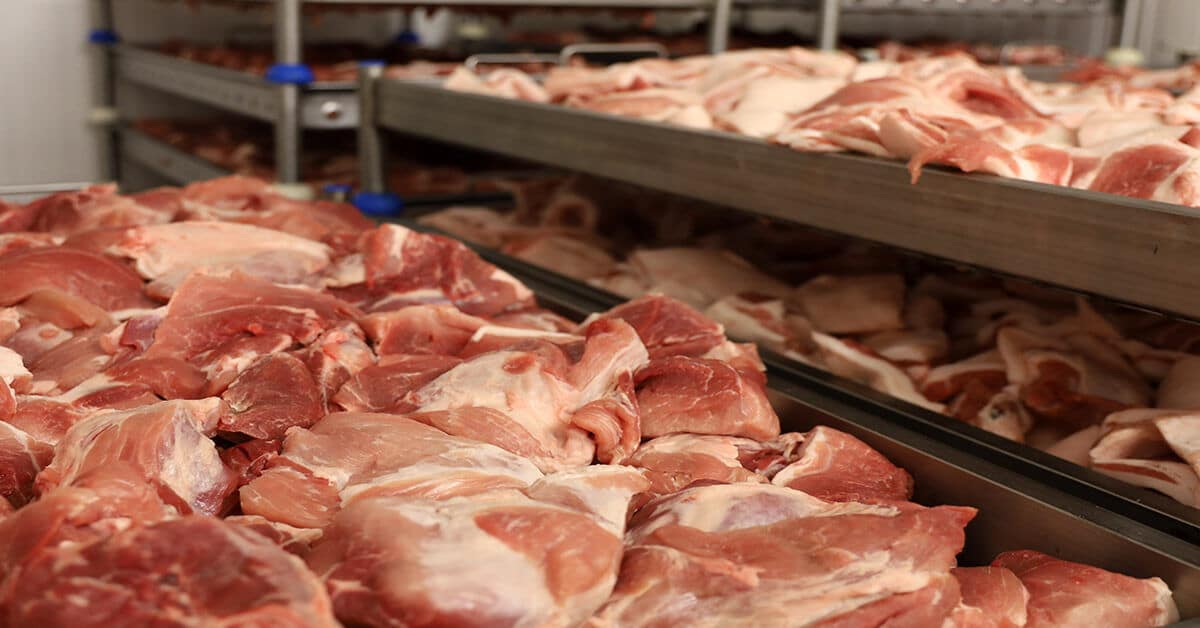
trimming
First, boning and trimming is done, that is, the fresh meat is trimmed to give it the right shape. Thanks to the now expert hand of the workers at this precise stage, the meat, from a simple sectioned piece, begins to take on the shape such as rounded typical of the ham we all know.
At this stage, the selection of the excess part also takes place, which, however, will not be thrown away, but will be used at a later stage to make sausages.
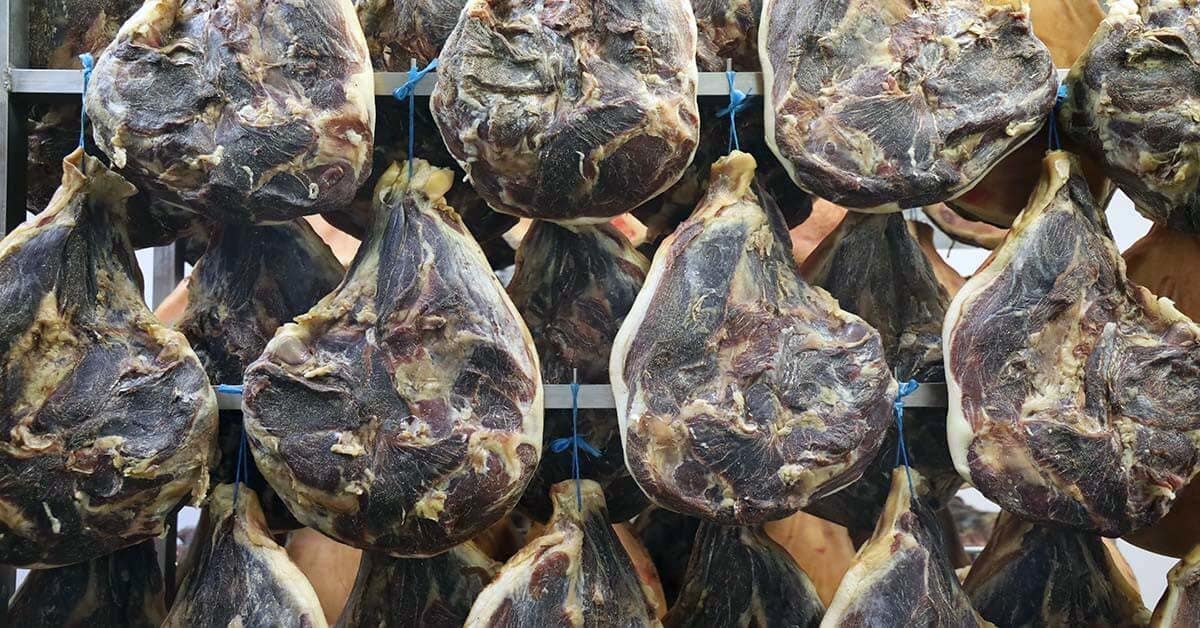
seasoning
After the necessary days have passed since salting, the meat is washed so as to remove excess salt. Each piece is hung on carts and transferred to special cells to "rest." They are then transferred to the curing rooms. In the following weeks, the meat becomes Salume, acquiring the taste and aroma we know.
bagging
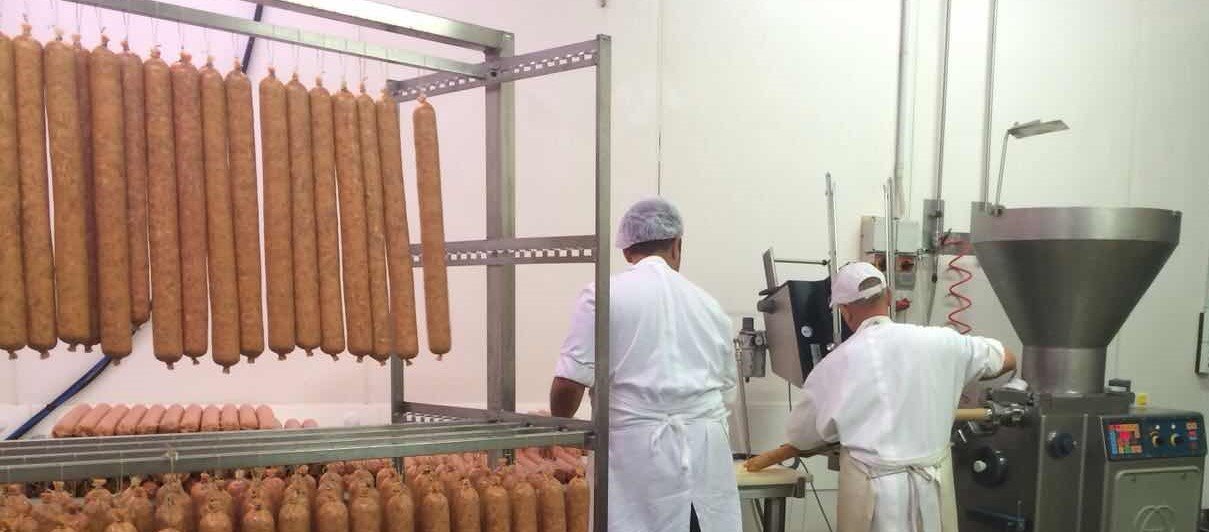
Salamis are made from the medium-grain mincing of prime pork, suitably salted, spiced and in casing. Animal casing is normally used, which allows the meat to be protected and gives it a firm structure.
Sausages, like other cured meats, are also not ready to be eaten immediately, but must spend a few weeks in cells equipped with environmental temperature control systems to promote a harmonious drying process. The typical white-colored mold Is an effect of aging, the so-called"good mold."
packing
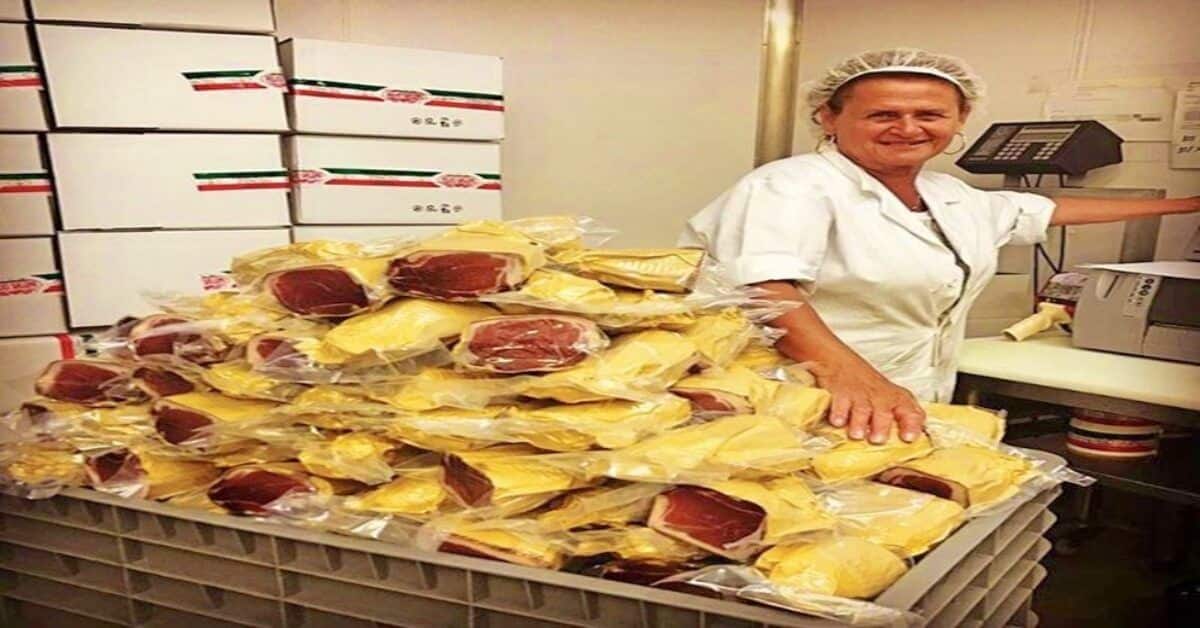
The last step is packaging. Sausages are wrapped in yellow paper and vacuum-packed in order to ensure a long shelf life for the product. The vacuum-packed product, if stored in the refrigerator, retains even 3 months of unaltered taste and properties. The label shows the main data, including nutritional values.
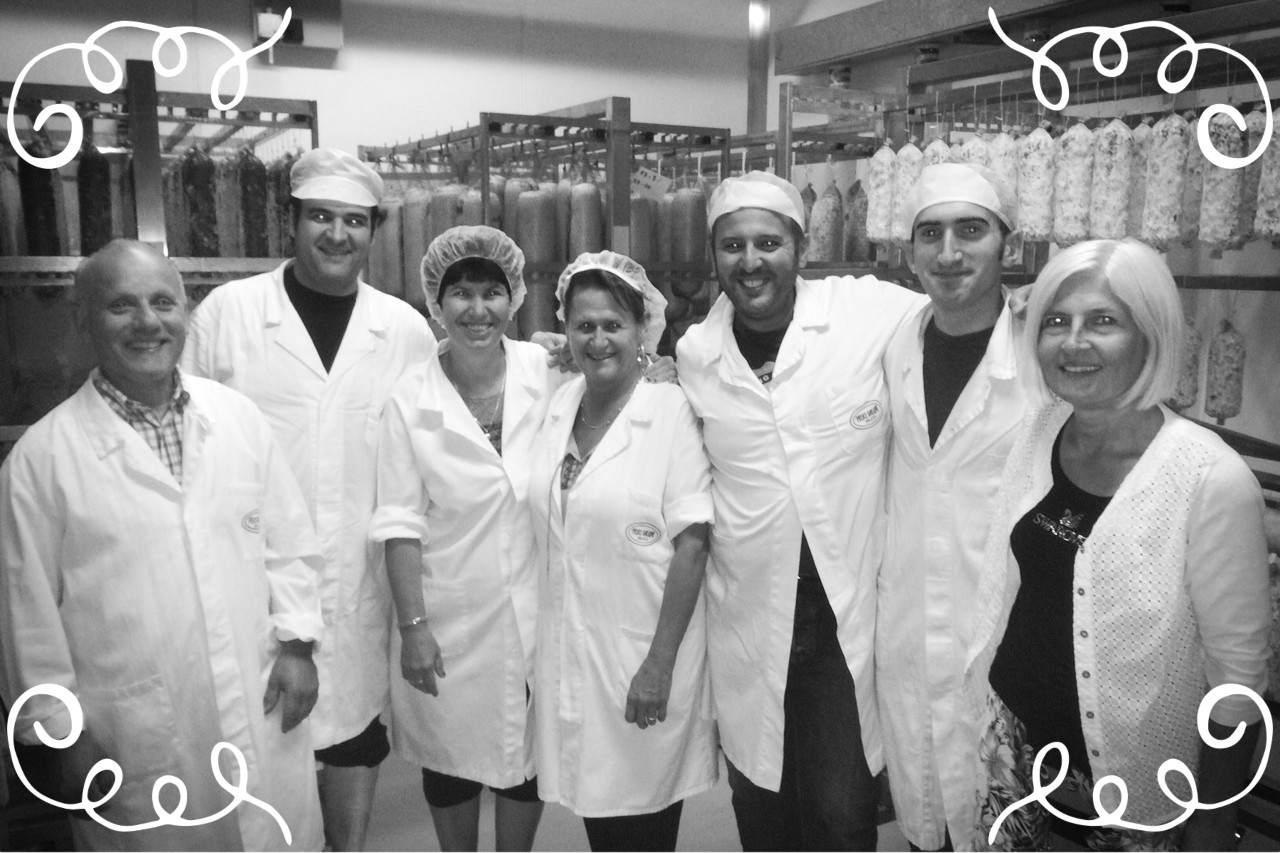
a work of... team!
Behind, then, the simple cured meat that we see on our tables every day, there is an important, not simple and very artisanal process that sets in motion several people, each with a very specific task.
Making good sausage requires excellent meat, fragrant spices and a lot of passion. Every day with dedication we try to give our best so that you can appreciate an artisanal product, made according to Tuscan traditions.

Felici Salumi
Realizziamo Salumi e Insaccati alla Maniera Toscana dal 1960, a Prato.
0 Commenti